



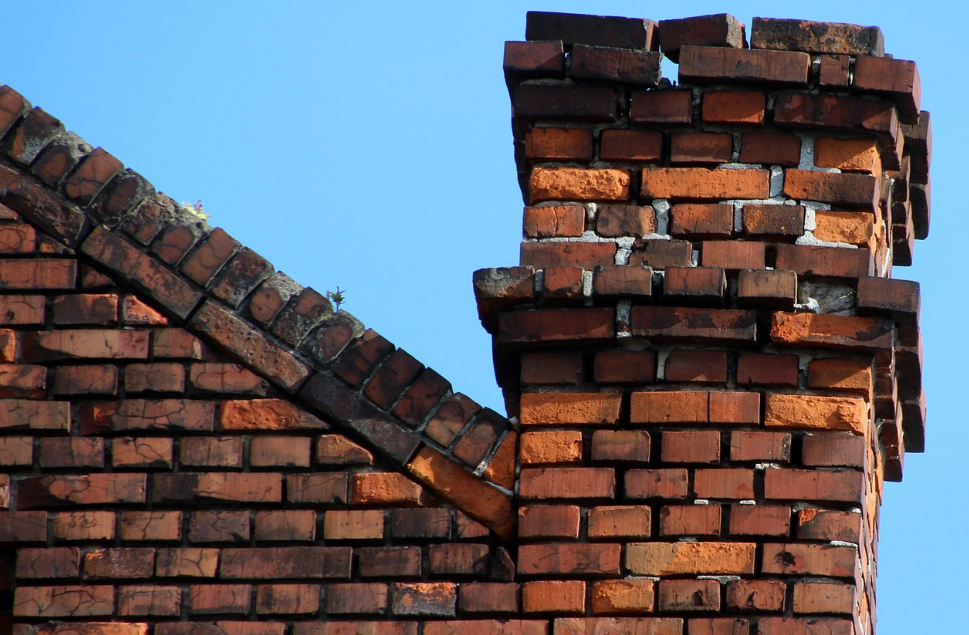
Chimneys work hardest when the weather turns cold, but most of their problems build quietly over months and years. Crumbling mortar, loose bricks, failing caps, and hidden cracks don’t usually show up as a dramatic collapse—they start as small issues that get worse every season. Checking your chimney before fall heating begins gives you time to fix trouble under calm conditions, not during the first chilly night when you need the fireplace or furnace.
Treating the chimney as part of your home’s safety system—not just a decorative stack—helps keep smoke moving out properly and reduces the risk of water damage, falling brick, or unsafe exhaust.
Visible Warning Signs Homeowners Can Catch Early
You don’t need to climb onto the roof to see that something may be wrong. From the ground and inside the house, watch for:
- Spalling bricks (faces flaking off or pieces missing)
- Cracked, missing, or powdery mortar joints
- A leaning or visibly out-of-plumb stack
- Stains, damp spots, or odor around the fireplace
Outside, damaged bricks and joints suggest the chimney is losing strength and letting water in. Inside, smoke staining, drafts, or musty smells can hint at poor draft or moisture issues. Any of these signs mean a closer inspection from a chimney professional is a smart next step.
Hidden Issues That Need A Pro’s Eye
Some of the most serious chimney problems are not obvious from the ground. A damaged crown, failed flashing, or cracked flue liner can let water and gases go where they shouldn’t. Water entering at the top can travel down into walls and ceilings; a compromised liner can affect how exhaust moves from fireplaces or heating appliances.
A qualified chimney service can inspect these elements more thoroughly, identify structural or safety concerns, and advise whether targeted repairs, partial rebuild, or liner work is needed. Taking care of these problems before fall reduces the chance of sudden failures when the system is under peak load.
Why Waiting Until It “Really Fails” Is Risky
It’s tempting to ignore minor staining or a bit of loose mortar and wait until the chimney “really fails” before acting. The risk is that damage compounds quietly. Water gets deeper into masonry, freeze-thaw cycles expand cracks, and soot or creosote build up inside the flue. By the time something is obviously wrong—chunks falling, major leaks, heavy smoke backing up—repairs are larger, more expensive, and often more disruptive.
Spotting trouble early and dealing with it in summer or early fall keeps repair work more manageable and helps preserve more of the original structure.
How Cummins Restorations Helps You Stay Ahead Of Chimney Trouble
If you’ve noticed cracked mortar, flaking brick, staining, or just haven’t had your chimney checked in years, now is the time to act. Cummins Restorations specializes in chimney service and masonry work, from tuckpointing and crown repair to full rebuilds when necessary. Their team can assess the true condition of your chimney, recommend practical repairs, and complete the work before fall heating season arrives. Contact Cummins Restorations today to schedule an inspection so your chimney is ready to do its job safely when the temperature drops.


