



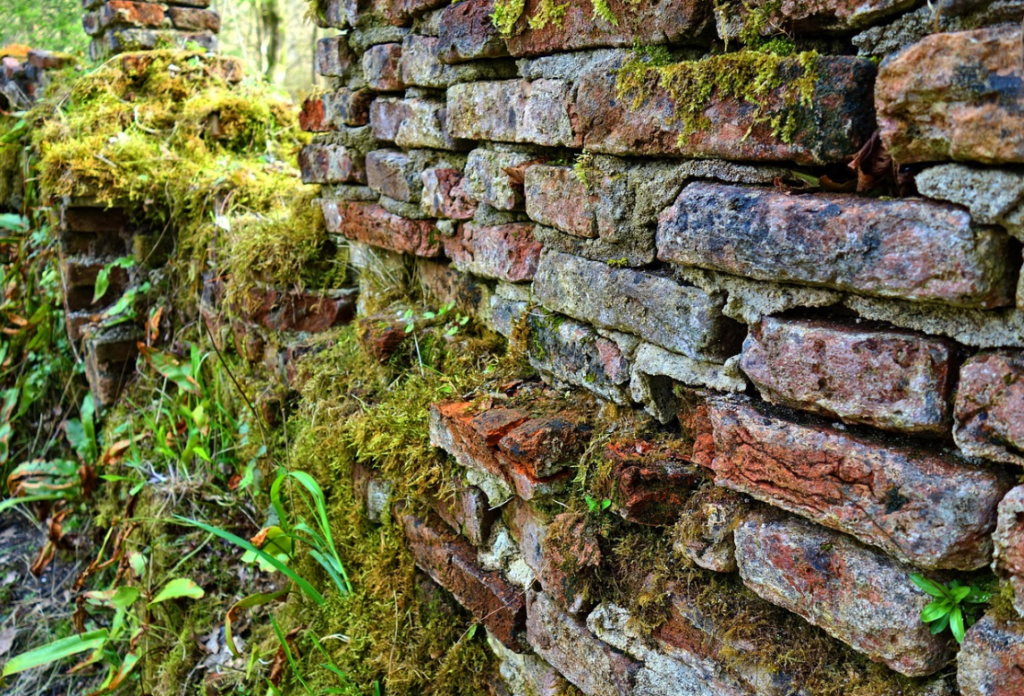
Brick can last for many years, but water can break down even strong masonry when it seeps in and freezes. Brick spalling occurs when the face of a brick flakes, pops off, or breaks away after trapped water expands in cold weather.
1. Brick Faces Flake or Pop Off
The most clear sign is a brick face that peels away in thin chips or larger chunks. You may see a rough, pitted face where a smooth outer layer once sat. That missing layer leaves the brick more open to rain and meltwater.
Small flakes may seem like a look-only issue. Yet once the face breaks, water can reach the inner part of the brick with less effort. Each cold spell can make the loss worse.
A rough brick face often marks the start of a wider moisture issue. Check near roof edges, steps, chimneys, and low walls where water often lands or sits.
2. Mortar Joints Crack or Fall Out
Mortar joints help hold brick in place and shed water from the wall. When joints crack, turn soft, or fall out, water can get behind the brick. That gives freeze-thaw damage a path to spread.
Look at the joints from a few feet away. Gaps, deep cracks, and sandy bits at the base of the wall all call for a closer look. Do not fill cracks with a random hard mix from a store.
The wrong mortar can harm old brick. A skilled mason can match the repair mix to the brick so the wall can move and dry as it should.
3. White Marks Form on the Brick
White, chalky marks on a wall may point to salts left behind as water moves through the masonry. This is often called efflorescence. The marks may wash off, yet the water path that brought them there may still be active.
Check for white marks below a roof line, near downspouts, or on a chimney stack. If they come back after rain or thaw, the wall may take on more water than it can shed.
White stains can act like a map for hidden moisture. Do not treat the mark as the whole problem; find the leak, poor drain path, or bad joint that feeds it.
4. Bricks Crack or Shift Out of Line
As water freezes in tiny gaps, it can force the brick apart. At first, you may see a hairline crack. Later, parts of the wall may bow, shift, or look out of line with nearby courses.
Do not ignore a crack that grows from one season to the next. A crack near a window, door, chimney, or corner may mean the wall needs a skilled check.
Watch for these signs:
- Cracks that run through brick and mortar
- Bricks that sit proud of the wall face
- A chimney that looks out of plumb
- Loose bits at the base of the wall
Movement in masonry is more than a curb appeal flaw. It can point to water damage that has reached deep into the wall.
5. Paint Peels or Moisture Shows Indoors
Brick walls can pass water into the space behind them. In some homes, that can lead to paint that bubbles, trim that feels damp, or a musty smell near an outer wall. These signs may come from many causes, but failing brick and mortar should be on the list.
Look indoors after a heavy rain or a thaw. Check walls that sit behind known damaged brick. Do not seal the wall from the room side until a pro has found the water path.
Indoor marks can be the late sign of an outdoor brick fault. The best repair stops the water at the outer face, where the issue began.
6. Damage Grows Near Gutters and Ground Level
Water from a clogged gutter, short downspout, or poor grade can soak the same part of a wall over and over. Low brick near soil and brick below a roof edge often show the first damage.
Keep leaves out of gutters and make sure downspouts send water away from the wall. Look for soil that slopes toward the home or mulch piled high against brick. These small site issues can feed larger masonry damage.
Stopping the water source is part of any sound repair. Replacing a few bricks without fixing runoff may lead to the same failure again.
For more help with aging brick and chimney work, visit Cummins Restorations’ masonry service page and review its chimney repair options.
If you see flaking brick, open joints, or cracks that grow after winter, contact Cummins Restorations for a masonry review. Their team can track the source of the water, assess the state of the wall or chimney, and plan work that fits the damage. Early brick repair may save more of the original wall and limit the cost of later work. Schedule a site check before the next freeze-thaw spell takes a larger toll.


