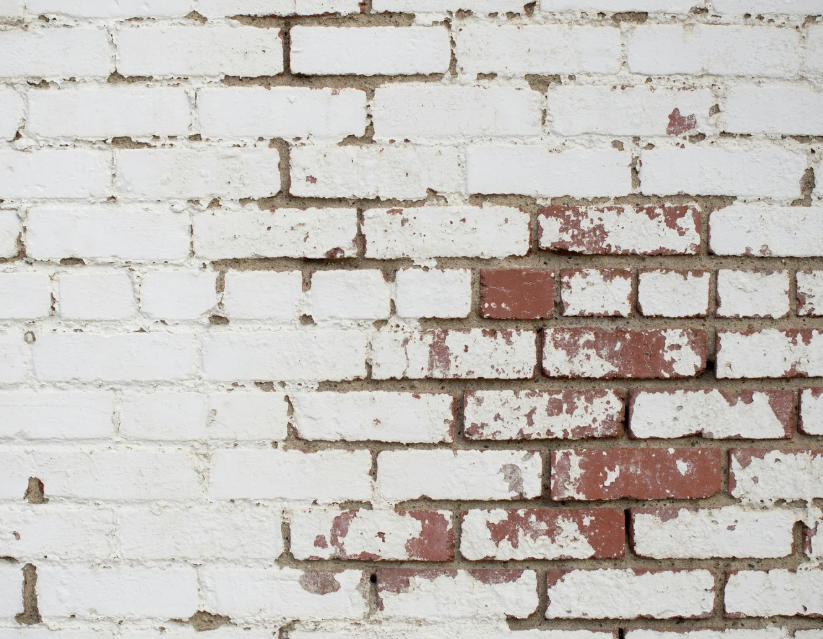
Paint removal from exterior brick walls can sometimes be completed without obvious surface damage, but no method is risk-free. The outcome depends on the brick’s condition, the coating, previous repairs, and how carefully the removal process is tested and controlled.
Key Takeaways
- Begin with an assessment and a small test patch—not whole-wall stripping.
- Avoid sandblasting, aggressive grinding, and uncontrolled high-pressure washing.
- A compatible chemical treatment may be appropriate, but it still requires testing.
- Older coatings may contain lead and need assessment before disturbance.
- November and December conditions can make wet cleaning unsuitable.
- Preserving the brick is more important than removing every trace of colour.
Why Can Removing Paint Damage Brick?
Some bricks have a relatively durable fired outer surface over a more vulnerable interior. Aggressive cleaning can erode that surface and leave the masonry rougher and more absorbent.
Mortar joints may also be damaged before the paint is fully removed. Existing deterioration can be hidden beneath the coating and only become visible during testing.
This is why a freshly exposed wall is not automatically a successful restoration. The cleaned brick must remain sound—not simply look paint-free.
Which Removal Method Is Safest?
No product or technique is universally safest. A specialist should choose the least aggressive method that can achieve an acceptable result on the specific wall.
Possible approaches include compatible chemical strippers, poultice systems, and carefully controlled cleaning procedures. Product selection depends on the paint type and the masonry beneath it.
Chemical does not mean harmless. Incorrect application, excessive dwell time, inadequate rinsing, or incompatible residues can cause staining and other problems.
Follow the selected system’s instructions, including any required neutralization and waste collection.
Why Is a Test Patch Essential?
A representative test area helps establish:
- Whether the coating can be removed
- How the brick and mortar respond
- Whether colour remains in the pores
- How much rinsing is required
- Whether the cleaned surface changes as it dries
Allow the patch to dry before judging it. A wet surface can hide colour differences and damage.
Where the building has different brick types, repairs, or exposures, more than one test area may be necessary. Agree on the acceptable appearance before authorizing larger-scale work.
Should You Pressure-Wash Painted Brick?
Do not treat a pressure washer as a shortcut.
Aggressive pressure can erode mortar, damage brick faces, and drive water into the wall. Sandblasting and grinding can also permanently alter the masonry’s appearance and texture.
Even a cleaning method described as gentle needs careful control. Equipment settings alone do not establish safety; the substrate, nozzle position, technique, and exposure time also matter.
Can Exterior Paint Removal Be Done in Winter?
November and December require particular caution in Toronto.
Cold temperatures can prevent stripping products from working as intended. Rinsing may saturate masonry shortly before freezing weather, while runoff can create hazardous walking conditions.
A contractor must assess product temperature limits, overnight conditions, drying opportunities, and site protection. If suitable conditions cannot be maintained, postponing the work may be the better restoration decision.
Is Complete Removal Always Worthwhile?
No. Paint can penetrate porous brick, leaving traces that cannot be removed without unacceptable damage.
The wall may also contain mismatched repairs or deterioration that the coating concealed. A conservation-minded approach may accept some residual colour rather than sacrifice the brick surface.
Before disturbing older paint, arrange an appropriate hazardous-material assessment. Do not dry-sand or blast unknown coatings.
Cummins Restoration provides masonry restoration, brick repair, and tuckpointing across Toronto and the GTA. Contact the team before stripping a painted wall to discuss its condition, existing defects, and repair priorities. A site assessment can help establish whether removal is appropriate and what testing or specialist preparation should happen before work begins.


