



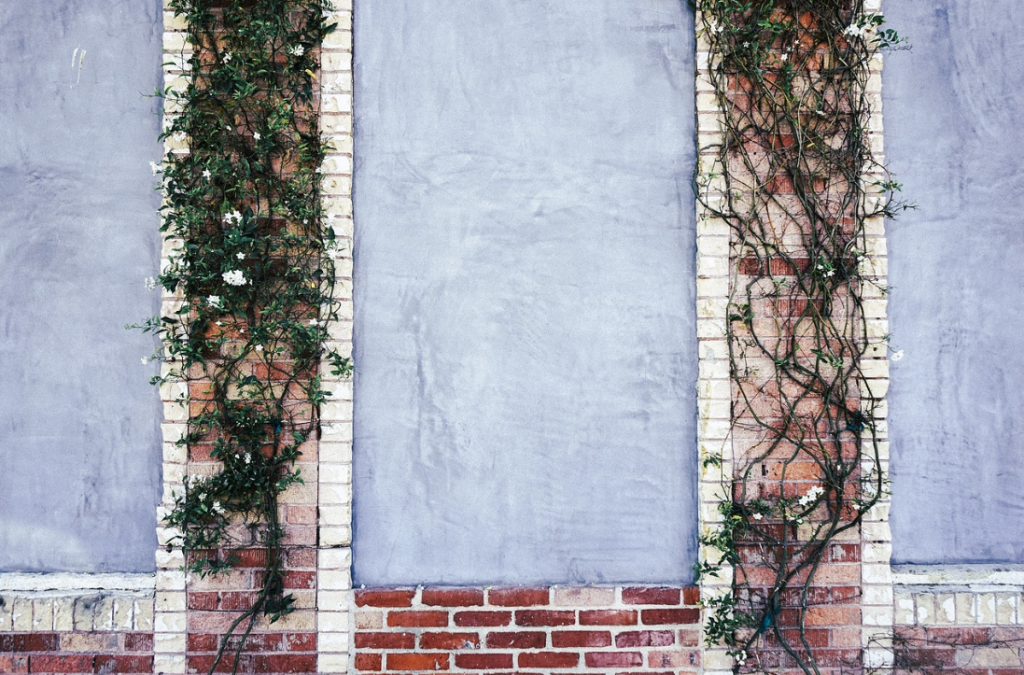
Older brick tells a story, but that story fades fast without care. Fall weather makes heritage brick repair one of the smartest moves an owner can make before winter arrives.
Why Old Brick Faces More Risk Than New Brick
Brick laid decades ago used different mortar mixes than what builders use today. Older lime-based mortar softens over time, letting water soak in far more than modern blends.
This creates a few specific weak points:
- Mortar joints that crumble faster once cracked
- Brick faces that flake or spall from trapped moisture
- Uneven settling that stresses joints unevenly
- Past repairs done with the wrong mortar type, which trap water instead of letting it dry
Each of these problems grows worse once cold weather locks moisture inside the wall.
The Freeze and Thaw Trap
Water that soaks into brick during fall rain does not just sit there. It freezes on cold nights, expands, then thaws again the next day, over and over through the season.
That cycle is brutal on old mortar joints already worn thin. Each freeze pushes cracks a little wider, until chunks of mortar fall away completely by spring.
Getting ahead of this cycle now, before the first hard freeze, protects the wall from months of hidden stress.
Signs Your Historic Brick Needs Attention
Some signs are easy to miss unless you know what to look for. Walk your property and check for:
- Mortar joints that feel soft or crumble when touched
- White, chalky marks on the brick surface
- Bricks that look chipped, flaked, or rounded at the edges
- Gaps where mortar has already fallen out
- Bowing or leaning sections of wall
Spotting these early gives you time to fix small problems before they turn into structural ones.
Why Matching Materials Matters So Much
Fixing historic brick is not the same job as patching a modern wall. Old brick is softer than today’s brick, and it needs mortar that matches that softness.
Using the wrong mix creates new problems:
- Hard modern mortar can crack the softer old brick around it
- Mismatched color and texture stands out and hurts curb appeal
- Water gets trapped behind hard mortar instead of drying out naturally
- Repairs may fail again within just a few years
A mason who understands older building methods will test and match mortar before starting any repair.
What a Proper Repair Process Looks Like
A careful repair follows a clear order, not just quick patchwork. The process should include:
- Removing damaged mortar without harming nearby brick
- Testing old mortar to match its mix and color
- Repointing joints with a mortar suited to the brick’s age
- Cleaning brick faces gently, without harsh chemical blasting
- Checking flashing and drainage points nearby
Skipping steps, especially the mortar match, often leads to repeat damage within a short time.
Timing Your Repair Right
Cool but dry weather offers the best window for this kind of work. Mortar needs time to cure properly before facing a hard freeze.
Booking early in the season gives a few clear benefits:
- Crews have more open time slots before winter rush
- Mortar cures fully before the first freeze hits
- Small cracks get fixed before they widen through winter
- You avoid rushed repairs during storm season
Waiting until frost hits often means delaying repairs until spring, letting damage grow all winter long.
Protecting a Piece of the Past
Old brick holds character that new material cannot fully copy. A little care each fall keeps that character standing strong for years to come.
If your property has brick walls showing wear, do not let another season pass without a look. Cummins Restoration brings decades of hands-on masonry work to older brick and mortar repair. Reach out to Cummins Restoration to protect your walls before the next freeze sets in.


